

The littoral zone of a pond or lake is the shallow, transitional area between dry land and open water. With the low depth of water, as well as plenty of light and nutrients, this zone provides the ideal conditions for plants and animals to thrive. As an essential part of the aquatic ecosystem, littoral plants can even provide added benefits to pond and lake managers.
When it comes to adding pond plants, you should always remember that there is a lot more than meets the eye. Knowing what benefits to expect from littoral zone plants and how to find the right choice for your needs can often be overwhelming. To help you get started, here’s a look at everything you need to know about littoral zone planting.

4 Benefits to Littoral Zone Planting
- Aesthetics
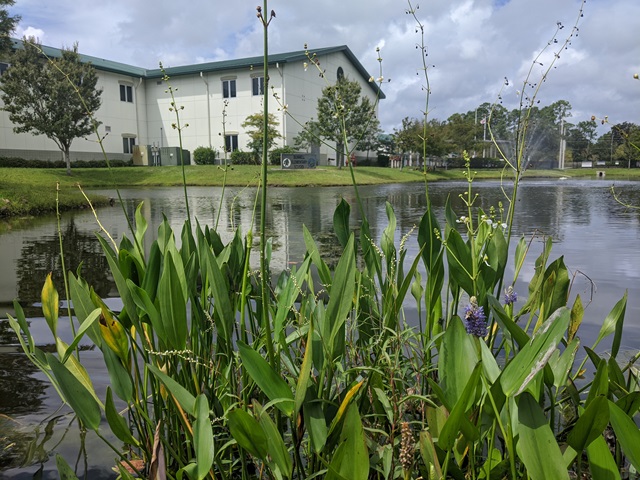
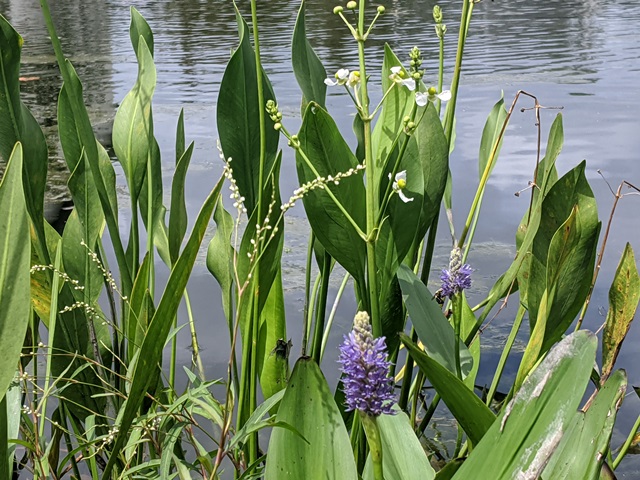
Aquatic plants in the littoral zone are lush and healthful, providing an enhanced appearance to any pond or lake. To achieve a beautiful look, common options often include Pickerelweed and Duck Potato, plants you may already be familiar with. Many plants also add year-round aesthetics with interesting structures, attractive flowers, and enhanced depth and color. Typically, plants will offer significant visual impact when planted in clusters throughout the body of water. They should also be managed carefully to ensure there is no unintended spread of invasive plant species within the planting.
- Reduced Erosion
Planting flora in a pond’s littoral zone can also help control and prevent erosion. Plants closer to the shore typically referred to as emergent plants (those with root systems in submerged soils but which extend above the water) and shoreline plants (those with root systems along the shoreline), are often the best at providing erosion control. With their large root structures, they are able to reduce waves and stabilize the soil, effectively preventing erosion.
- Increased Wildlife Habitat
Plants often provide ideal and attractive habitats for birds and other animals, often bringing the pond to life. Fish receive shade, which is the perfect spot to hide from predators. Aquatic plants are also often used as food for a variety of wildlife, including turtles, ducks, fish, insects, and wading birds. They also attract insects, which are a food source for frogs.
- Nutrient Absorption
Littoral zone plants further maintain the balance of the aquatic ecosystem by enhancing water quality and absorbing excess nutrients from the environment. Waste from fish and other wildlife add nutrients to the water, which can lead to increased algae growth. Pollutants, heavy metals, and other chemicals are also often found in ponds. Thankfully, plants can absorb these contaminants, maintaining great water quality, and preventing potential problems from higher concentrations.
What Should You Plant?
Because of these benefits, littoral zone planting is common practice for Florida lakes and ponds. With a wide variety of native plants to choose from, a great place to start is by checking out our recommendations in this guide.
SHORELINE PLANTING RECOMMENDATIONS FOR PONDS AND LAKES
Keep in mind, however, that this list is far from exhaustive. Juncus, a genus of plant species typically referred to as rushes, are reliable and hold up well in areas where water conditions often vary. They are stylistic in appearance and offer a wide variety, as some have straight stems and others are cultivated with curly or twisting stems. And Spartina bakeri, also known as sand cordgrass and Baker’s cordgrass, is a popular species often used in transitions from pond banks to upland landscapes.
Choosing the right species for your pond or lake is crucial to a successful and well-balanced aquatic ecosystem. At Florida Waterways, we have the foundational knowledge and skills necessary to set your pond up for success through careful planning and installation, as well as periodic maintenance to ensure the control of non-native invasive species and promotes native biodiversity.
Interested in learning more? Check out these resources:
- https://edis.ifas.ufl.edu/pdffiles/EP/EP47600.pdf
- https://www.pinellascounty.org/environment/watershed/pdf/adoptapond/Lakefront_Revegetation.pdf
When you’re ready to start customizing a lakefront vegetation plan, contact us to get started!
