

It’s Spring in Florida! While that might mean a much-welcomed Winter thaw-out in other parts of the country, down here in Florida it really only means one thing: Insect Season is upon us!
Ah, Spring: It’s that time of year when our favorite invertebrates return. Any love for the lovebugs who show up to remind us to wash our cars? (OK, maybe they force us to)
While insects are a vital part of the ecosystem, there are times when certain species can become a nuisance. When we’re talking lakes and ponds, one insect routinely rises to the “pest” threshold: Aquatic Midges (Chironomidae). While known as “Blind Mosquitoes”, aquatic midge flies are non-biting, do not suck blood, and do not carry diseases.


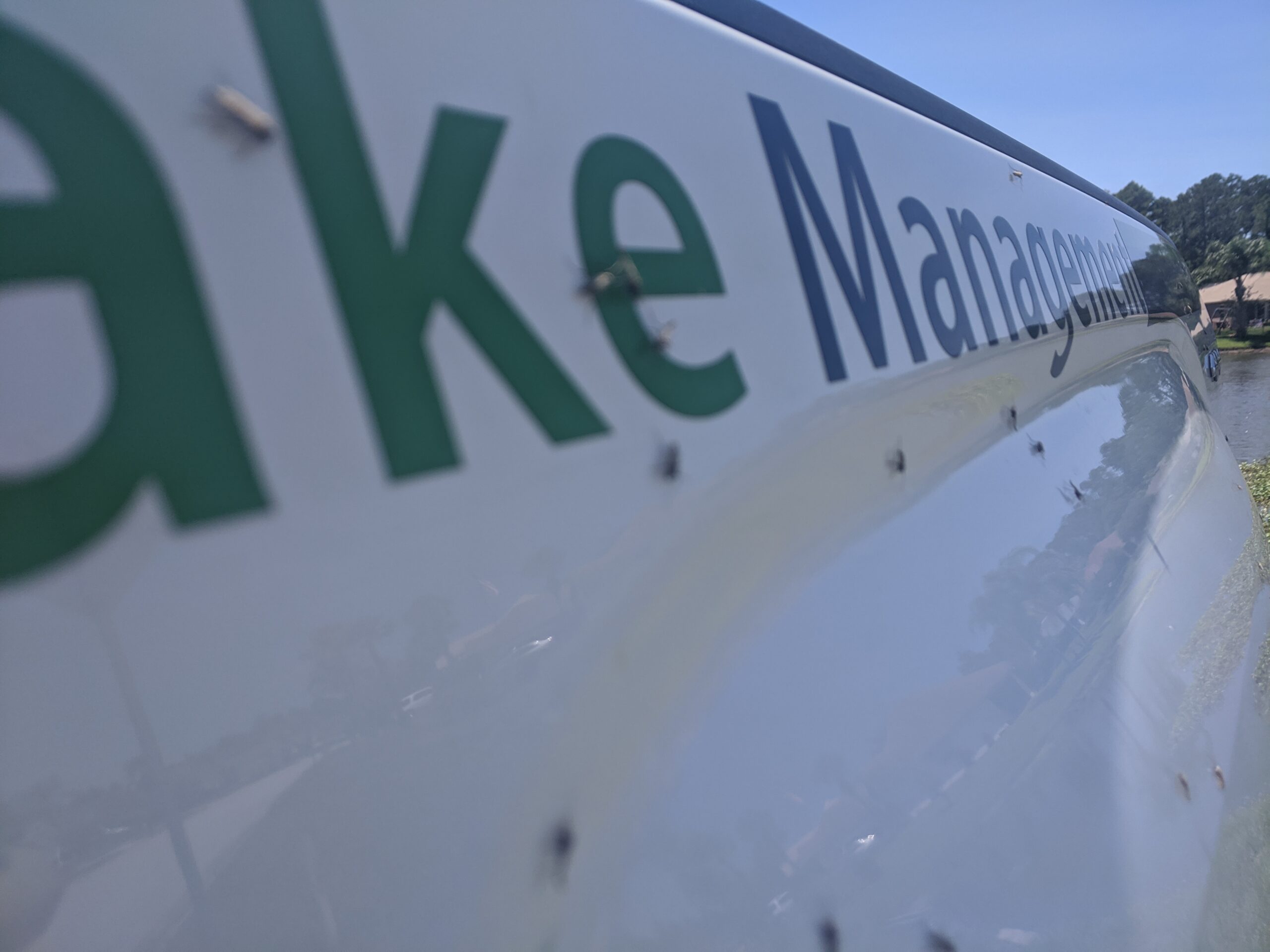
Aquatic midges emerge from ponds in large numbers swarm. During the daytime, adult midges can be found resting under porches, on screens, under eves and in carports. By night, they are attracted to porch and building lights. The swarms can be so dense as to interfere with outdoor activities and stain walls, cars, or other surfaces.
What can be done to control Aquatic Midges?
Good news: there are plenty of options available for aquatic midge control, including many biological and eco-friendly methods.
The first step of achieving aquatic midge control is understanding the midge fly’s life cycle. The aquatic midge has four stages in its life cycle. These stages are the egg, larvae, pupae, and adult.

The best control programs will target each stage of the midge fly’s life cycle. The first step for long-term control is addressing the conditions which promote aquatic midges. The larvae (also known as bloodworms, or wigglers) live in lake and pond bottom detritus, or muck, where they feed. Proper pond aeration to promote digestive bacteria will aid in the long term because digestive bacteria consume the bottom sediment and reduce larval habitat.
After reducing larval habitat, the next step is to target the larvae themselves. To do this, Florida Waterways applies an EPA-registered biological larvicide. The biological larvicide consists of a naturally occurring bacteria (Bti) which is consumed by the midge fly and begins to produce a crystal protein inside the gut of the aquatic midge fly larvae, killing them. Aside from Bti bacteria treatments, Florida Waterways also utilizes applications of live parasitic Nematodes to target the midge larvae. The nematodes infect the larvae and quickly control larvae populations (within 48-hours).
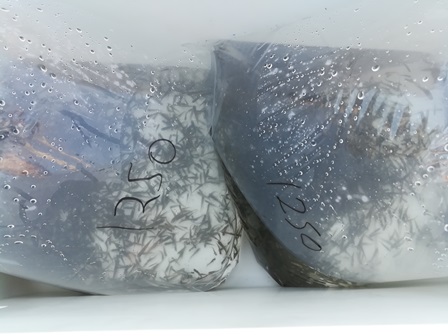
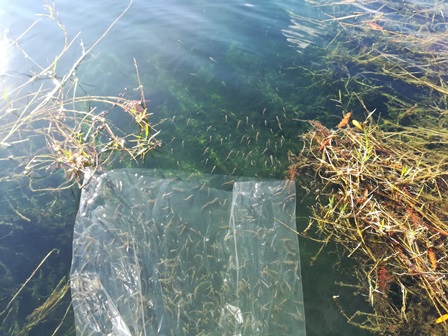
To target the pupa stage, insectivorous fish are stocked, such as catfish, blue gill, shell cracker, and gambusia (mosquito fish). The gambusia are a small insectivorous fish which are a valuable tool in not only controlling aquatic midges, but biting mosquitoes as well.

To target adult midges, or adulticiding, we apply a product which contains only botanical oils as active ingredients. The product is a FIFRA 25(b) Exempt Insecticide, which means it is classified as an EPA Minimum-risk Product. The product is safe to use in lawns, near and around water, trees and shrubs, and around structures.
An important consideration is achieving effective control is to understand the short-natured life cycle of aquatic midges of only 14-days. A valuable management tool is conducting midge fly assessments by taking bottom samples. The samples are taken at various points across the waterway and inspected for larvae. By doing these field surveys, midge fly density can be estimated, as well as observing the lifecycle stage of the midges to properly time applications.
Four Steps to Sustainably Reduce Midge Fly Populations
- Focus on lake management efforts that improve water quality
- Install a bottom diffused aeration system to reduce larval habitat
- Stock insectivorous fish
- Apply biological larvicides and adulticide using naturally derived, minimal risk products
A swarm of midge flies by your Florida lake, pond or waterway is a major nuisance, and it may seem like a good idea to be rid of them all. However, a healthy, balanced midge fly population below nuisance levels, is best for a waterway’s overall fisheries and aquatic ecology. With a proven, proactive approach to larvae management, midge fly problems can be quickly and sustainably resolved.
